

The 2026 Outlook: 5 Truths About Human Nature Revealed by Crypto
What can 2025 teach you about reality? Uncover 5 profound lessons on human nature, credentials, and ownership.

Most people dismiss crypto as 'magic internet money' or a high-stakes casino fuelled by hype and greed. But in a way they are wrong. It’s actually a brutal behavioural economics bootcamp that rips away dogmas of traditional finance, forcing you to confront raw human nature amid scams, volatility, and rug pulls.
It teaches you how incentives truly govern behaviour, why privacy is non-negotiable, and that trust is a fool's game.
It strips away society's safety nets to reveal five core truths about human nature, incentives, and freedom—lessons that transcend blockchain and could shape your worldview.
As we head into the new year, we’re going to look at five important lessons crypto has taught us...

Saying Goodbye to a Turbulent 2025
We are saying goodbye to a turbulent 2025, a year of change that taught us crucial lessons. Amidst these highs and lows, Bitcoin's Layer 2 ecosystem quietly shifted its focus toward foundational infrastructure rather than speculation.
This created a 'plumbing phase' designed to establish the technical and custody standards necessary for institutional migration.
 Hans
Hans
But infrastructure is only half the story of 2025. The other half is the wisdom gained from navigating a year of extreme highs and lows. As we move forward, we carry with us these five lessons learned...
1️⃣ Incentives Over Rules: Why Carrots Beat Sticks
In older systems, we used to cling to rigid rules and endless red tape laws enforced by fines, imprisonment, and bureaucratic oversight.
If you break the rules, governments and central banks swing the big sticks. Crypto, however, flips this script entirely. It bets on incentives powered by game theory, where participants chase rewards such as miners hunting block subsidies.
 Fred
Fred
Rules are for lazy and set systems; that is, if you require police or regulators to enforce compliance, the architecture was broken from the start.
Miners secure the network because it is profitable; validating blocks earns them freshly minted BTC and fees, rendering the system antifragile.
Behavioral economics supports this with the "Pay Enough or Don't Pay at All" principle from economists Uri Gneezy and Aldo Rustichini. Their 2000 study demonstrated that imposing small fines for lateness at Israeli day nurseries actually backfired. The fines increased lateness because they transformed a moral norm into a priced incentive. Can we see some similarities?
Regulations like Dodd-Frank pile on 20,000+ pages of rules post-2008, yet banks still game the system with bailouts and revolving doors to regulators.
Crypto's incentive model teaches you that humans respond to skin-in-the-game rewards far better than threats. In life, this translates to ditching micromanagement for profit-sharing, and valuing reciprocity over ultimatums.
2️⃣ Anonymity is the Ultimate Freedom of Speech
In an era defined by cancel culture, de-banking for 'wrongthink', and surveillance capitalism, anonymity serves as armour for truth-tellers.
 Hans
Hans
Pseudonymity allows ideas to compete solely on merit, stripped of the speaker’s CV, race, or politics.
Satoshi Nakamoto released the Bitcoin whitepaper under a pseudonym, igniting a global phenomenon without the need for TED Talks or Ivy League credentials.
 Fred
Fred
Consider the risks of the current system: post a controversial opinion on X, and a single viral mob could see your bank account vanish.
Does anonymity in crypto promote freedom? Absolutely, yet nuance is essential: pseudonymity (public keys rather than names) differs from secrecy (hiding actions) and privacy (shielding metadata).
Protocols utilising Zero-Knowledge (ZK) proofs layer privacy atop transparency, allowing users to verify transactions without 'doxxing' themselves.
 Fred
Fred
The "Privacy Paradox" is the name for the critical nature of this issue where research indicate that over 90% of users crave privacy, yet they readily surrender it for 'free' apps and cookies.
The lesson? Anonymity elevates your mindset from that of a compliant follower to a sovereign actor. In real life, this translates to maintaining pseudonymous side hustles or achieving financial independence from institutional gatekeepers.
 Hans
Hans
3️⃣ The Art of Self-Custody
Not your keys, not your coins" is life’s harshest truth regarding personal responsibility. We use apps that coddle you with "Forgot Password?" resets and insurance schemes, but crypto offers no such safety net. Lose your seed phrase, and your assets vanish into the void forever. 😦
Why is OpSec paramount? The data is sobering. Chainalysis and ReWallet estimate that 18–20% of all Bitcoin (roughly 3.7–4.2 million BTC, worth over $200bn at market peaks) is lost permanently to poor practices: deceased owners, burned wallets, and lost hardware.
Users trusted SBF's "custody"— $8B gone.
Mt. Gox? Hacked keys.
This brutal reality permeates life beyond the blockchain. There is no "undo" button for bad hires, toxic partners, or neglecting your health. It's unforgiving nature with scams claiming $4bn yearly.
The result? You sleep peacefully knowing that while you are the weakest link, it teaches extreme ownership: your security is your business, and there are no excuses.
4️⃣ Narratives Are Your Archimedes Lever
Markets do not run on spreadsheets; they run on narratives. That's what we learned stories that hijack our collective psychology. "Fundamentals" are often little more than a coping mechanism for anyone who cannot comprehend the power of human nature.
 Hans
Hans
A 2023 study analysing over one million tweets found that sentiment drives returns with statistical certainty, often leading price action by hours or even days.
We liked to pretend otherwise, yet we watched GameStop’s meme-fuelled frenzy crush Melvin Capital despite their "solid fundamentals."
 Reuters
Ultimately, psychology trumps balance sheets. The true winners are those who craft the story. The life lesson is clear: do not just list your rote skills. Pitch a narrative!
5️⃣ Credentials vs. Actions: The Death of the Expert
Blockchains are meritocratic engines; they verify cryptographic signatures, not tailored suits. While Traditional Finance worships at the altar of credentials, "who-you-know" networks, and regulatory stamps. The web3 industry operates on Proof of Work.
In this arena, status is measured solely by on-chain volume, and code commits. The contrast in leadership is stark. Satoshi Nakamoto, an anonymous phantom with zero public accolades, architected a trillion-dollar protocol.
Conversely, Sam Bankman-Fried possessed every credential the old world values: an MIT degree, Stanford-lawyer parents, and the status of a top Washington donor. Yet, while the establishment trusted his pedigree implicitly, his empire imploded in a $32 billion fraud.
 Geoffrey Miller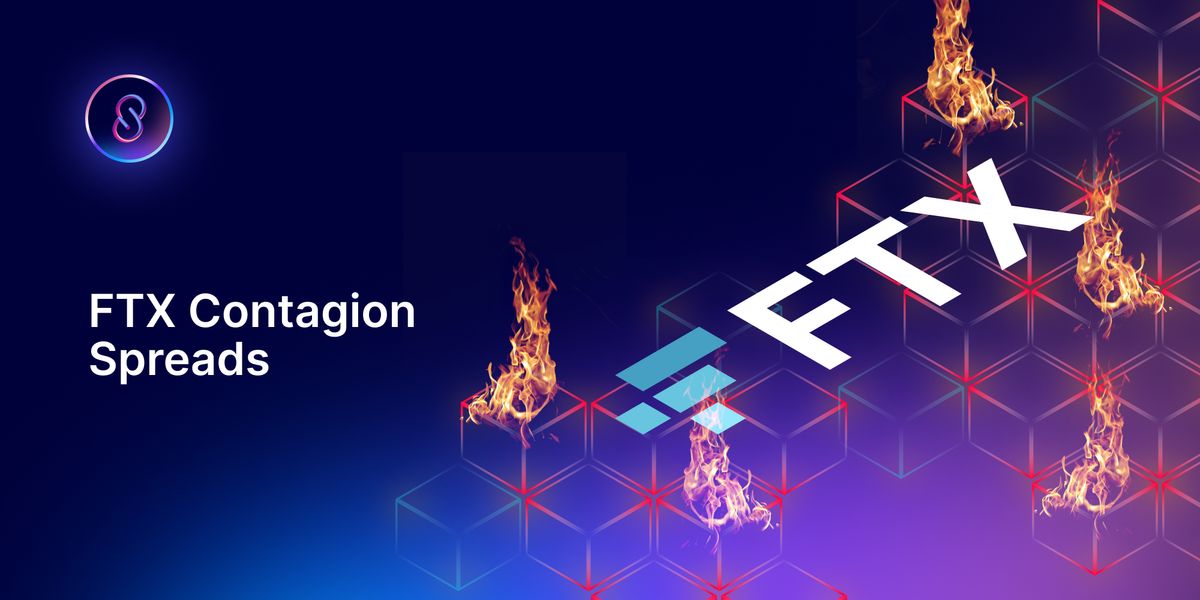
The lesson is absolute: trust code, not credentials and verify, do not trust! In the corporate world, bosses hire the résumé but fire the reality. Here, the only thing that gets hired is your contribution.
The Crypto Mindset in the Real World
Ultimately, the five lessons we learned from 2025 are the following: incentives over rules, anonymity for freedom, self-custody, narrative power, and actions over credentials, scale far beyond the world of finance. They form a blueprint for navigating modern life with sovereignty.
In the real world, this mindset changes how you operate. It means negotiating employment contracts for equity incentives rather than just a fixed salary. It means protecting your digital privacy with the same rigour as a bank vault, not because you have something to hide, but because you have a self to protect.
It means crafting your personal brand through compelling storytelling rather than relying on a static CV. And most importantly, it means judging others by their deeds and commits, not their titles or lineage.
Connect with Bitfinity Network
Bitfinity Wallet | Bitfinity Network | Twitter | Telegram | Discord | Github
*Important Disclaimer: The information provided on this website is for general informational purposes only and should not be considered financial or investment advice. While we strive for accuracy, Bitfinity makes no representations or warranties regarding the completeness, accuracy, or reliability of the content and is not responsible for any errors or omissions, or for any outcomes resulting from the use of this information. The content may include opinions and forward-looking statements that involve risks and uncertainties, and any reliance on this information is at your own risk.
External links are provided for convenience, and we recommend verifying information before taking any action. Bitfinity is not liable for any direct or indirect losses or damages arising from the use of this information.


Comments ()